Sustainable packaging starts with the job
For warehouse, shipping and procurement managers choosing a packaging specification, sustainable packaging starts with protecting the product using no more material than the job needs. Compare candidates by damage risk, material and pack quantity, reuse potential, and the recovery options actually available at the destination. A paper label or an eco-themed name alone cannot establish recyclability, compostability or a lower total environmental impact.
EPA places source reduction and reuse ahead of recycling in its materials management hierarchy. Start with a right-sized pack and evaluate whether it survives handling; then look for a practical collection route for the materials left over. This is a buying framework, not a measured environmental comparison of individual One Pack products.
Key takeaways
- Set a protection target before cutting material.
- Compare the same packed product and handling route.
- Verify recycled-content and recovery claims with evidence.
- Quote the pack size and order unit you will actually use.
Sources: US EPA, Sustainable Materials Management: Non-Hazardous Materials and Waste Management Hierarchy
Choose materials by function and recovery path
Material selection begins with the item being shipped and the way the finished package will be handled. Kraft paper, corrugated cartons and bubble mailers solve different protection problems, so compare complete pack designs rather than ranking material names in isolation. The catalog examples below are specification starting points; their names and case quantities do not establish environmental performance.
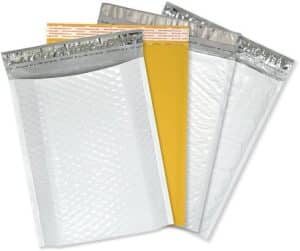
The Eco-Lite name does not establish recycled content or compostability. For the bubble mailer, ask how the complete mailer is collected rather than assuming the word kraft settles the recycling question. EPA advises checking the local program before putting paper products in its stream.
| Shipping job | One Pack catalog example | Check before specifying |
|---|---|---|
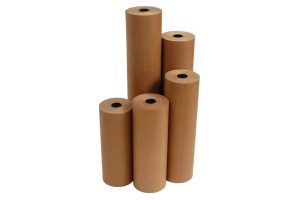
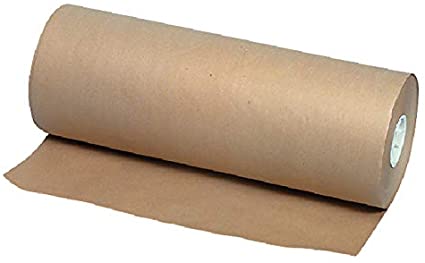
| Void fill in a carton | 24 in Brown 40 Basis Kraft Paper, SKU 2440KP, sold by roll; catalog lists 50 rolls per skid | Measure paper used per pack and check protection in a trial. |
| Small parcel | Eco-Lite 8 1/2 in x 12 in Bubble Self-Sealed Kraft Mailer, SKU ECO2SS, 100 per case | Check fit and ask the recipient's recycler about this assembled mailer. |
| Long item | 2 x 36 in Kraft Tubes with Caps, SKU P2036K, 50 per case | Check item clearance, cap retention and local acceptance of the used pack. |
Reduce material without losing protection
Material reduction should be evaluated per successful shipment, not per empty package. A smaller carton may need less void fill, but the choice still has to keep the product secure through the actual handling route. Start by measuring item dimensions, packed dimensions and the amount of paper or other cushioning used in the current pack.
Change one variable at a time in a representative packing trial: carton size, cushioning amount or mailer size. Record material used per shipment and inspect the packed item after the normal handling process; compare any damage or returns with the current design. A reduction claim should identify its baseline and what was measured.
If a paper system uses an automated crumpler, include the machine and required paper format in the specification. The One Pack catalog lists an Encore Fully Automated Paper Crumpler, SKU EP-5985, as a dispenser, but it does not provide performance or compatibility data here. Confirm those details before treating it as a substitute for hand-applied paper.
Sources: Federal Trade Commission, Environmental Claims: Summary of the Green Guides
What do environmental claims actually mean?
Environmental terms describe different properties. Recyclable concerns whether a used package can enter an appropriate collection and processing system; recycled content describes recovered material used to make it; compostable concerns breakdown under specified conditions. One label does not prove the others, and a plant-based input alone does not prove a package will compost.
The FTC Green Guides advise marketers to qualify recyclable claims when appropriate facilities are not available to at least 60 percent of consumers or communities where the product is sold. They also call for evidence behind compostable claims and qualification when a product cannot be composted at home or access to suitable facilities is limited. Treat this as general information, not legal or compliance advice.
For a shipping pack, request a supplier statement for the exact product and its components before repeating an environmental claim. Ask the recipient or local program what it accepts; EPA advises keeping recyclables clean and dry, flattening cardboard and keeping plastic bags and wraps out of recycling bins. A company collection program may have different rules, so document the route actually used.
Sources: Federal Trade Commission, Environmental Claims: Summary of the Green Guides; US EPA, What You Can Do to Improve the Recycling Rate
Compare the complete packaging system
Life cycle thinking compares a package from material acquisition through manufacturing, transport, use and end of life. EPA researchers emphasize looking beyond disposal alone because material use and potential impacts occur at other stages. That matters when a package appears attractive for one feature but changes the rest of the system.
Define the job first: one protected product delivered through a specified route. Then compare alternatives on the same basis, recording material quantity, pack damage, reuse cycles where applicable, and the expected disposal or collection path. A material change that requires extra layers or frequent replacement should be assessed as a complete design.
If a supplier offers a life cycle assessment, ask for its functional unit, boundary, data age and end-of-life assumptions. Without comparable data, describe the known improvement narrowly, such as fewer sheets of paper per shipment, rather than claiming a lower carbon footprint. Reuse can help when a return, inspection and repeated-use system is actually in place.
Sources: US EPA, EPA Researchers Working to Improve Life-Cycle Assessment Capabilities for Communities; US EPA, Sustainable Materials Management: Non-Hazardous Materials and Waste Management Hierarchy
Build a quote-ready specification
A quote-ready packaging specification connects the environmental goal to the operating details. Standardize the item size, packed size, fragility, handling route and current failure point before choosing a product family. For a closer look at material trade-offs, use the packaging materials comparison guide.
Send these details with a quote request: item and packed dimensions; annual or monthly shipment volume; proposed carton, paper, tube or mailer size; present pack method and equipment; required protection; and destination or collection route. Include the exact SKU and case or roll quantity when a catalog example matches the job. Ask for the information needed to verify any recycled-content or disposal claim you plan to publish.
One Pack is based in Edison, New Jersey. Use the catalog category as a starting point and request a quote for the specification and quantity you actually need. Keep a sample pack and measurement notes with the purchasing record so the next order can be checked against the same requirements.
Frequently asked questions
Is a kraft bubble mailer recyclable with paper?
Do not assume it is. Ask the destination recycling program about the complete mailer, including its bubble layer, and follow that program's preparation rules.
Does plant-based packaging always compost?
No. The FTC says compostable claims need evidence and may need qualifications about where composting is available. Check the exact item and the receiving facility.
Does recycled content guarantee lower impact?
No single attribute settles the full comparison. Compare the same protected-shipment job across material production, transport, use and end of life.
What should a packaging manager bring to a quote?
Bring item and packed dimensions, monthly volume, product fragility, current packaging method, equipment in use and the intended recovery route. Add any SKU or pack quantity already under consideration.
Sources: Federal Trade Commission, Environmental Claims: Summary of the Green Guides; US EPA, How Do I Recycle Common Recyclables; US EPA, EPA Researchers Working to Improve Life-Cycle Assessment Capabilities for Communities