Ecommerce packaging starts with the shipment
For ecommerce shipping, choose packaging by the product's size, fragility, weight, and exposure to moisture, then match the outer pack, cushioning, and closure to the actual parcel route. Shipping and procurement managers should measure the packed item, limit movement, and verify the finished pack in the intended distribution system. A branded exterior cannot compensate for a box that crushes or contents that shift.
A packaging choice has to work for the item inside it and for the people packing it repeatedly. Start with representative orders, including single items, mixed orders, and the products that have arrived damaged. Record the packed dimensions and weight for each trial, along with the materials used, so the team can compare complete packs rather than boxes alone.
Carrier instructions are part of that review. UPS packaging guidance, for example, calls for a rigid box with attached flaps, suitable cushioning, sealed seams, and a box whose stated weight limit is not exceeded. Check the current instructions for the carrier and service used by each shipment.
Sources: UPS, How to Pack Your Shipments
Build a small pack matrix before standardizing
A pack matrix connects each order type to an outer pack and a packing method. Group products by what could fail in transit: crushing, impact, abrasion, leakage, or movement inside the package. A flexible item and a fragile rigid item may have similar dimensions but need different protection.
For each group, write down the product dimensions, packed weight, number of items, proposed outer pack, cushioning, and closure. Add a separate row when an item has sharp corners or when several products share one shipment. This makes exceptions visible before a shipping team commits to a short list of supplies.
Key takeaways
- Measure the finished parcel as well as the product.
- Choose cushioning for the likely failure mode, then check that contents cannot shift.
- Treat a mailer, its closure, and any inner protection as one complete pack.
- Trial the pack on representative orders before setting a standard quantity.
How do mailers and cartons compare?
Mailers and cartons solve different packing problems. A flexible, non-fragile item may suit a poly mailer when the carrier accepts that format; a rigid or fragile item calls for a closer look at a corrugated outer pack and its cushioning. The table is a starting point for trials, not a claim that any catalog item is suitable for every product.
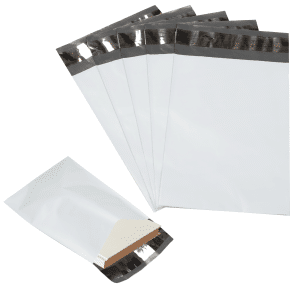
One Pack's corrugated mailer category includes a 9 x 6 x 4 in white die cut mailer, SKU W964, listed at 50 mailers per bundle. The catalog also lists a 20 x 24 in poly mailer with a 4 in bottom gusset, SKU 5220, at 200 per case. Compare those dimensions with the product and the space needed for any inner protection.
| Order type | Candidate outer pack | What to check in a packed trial |
|---|---|---|
| Small rigid item | Corrugated mailer, such as SKU W964 | Product fit, corner clearance, movement, and closure |
| Flexible non-fragile item | Poly mailer, such as SKU 5220 | Item fit, sharp edges, closure, and carrier acceptance |
| Mixed or fragile order | Carton sized for the contents and cushioning | Separation between items, voids, box strength, and sealed seams |
| Return shipment | Pack that the recipient can close securely again | Whether the original protection remains usable after opening |
Sources: UPS, How to Pack Your Shipments
Cushioning and closure complete the protective pack
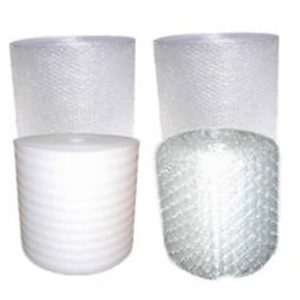
Cushioning controls movement and separates a product from the outer pack. UPS packaging guidance describes bubble sheeting for wrapping lightweight items, tightly crumpled kraft paper for void fill around lightweight non-fragile items, and inflatable packaging for lightweight items without sharp edges. Choose the material by the product's shape and vulnerability, then inspect the closed pack for movement.
Closure deserves its own trial because an intact box still fails if its seams open. UPS says to seal closures and seams with shipping tape and advises against masking, cellophane, and duct tape for its shipments. One Pack's catalog lists a 2 in x 110 yd hot melt poly tape, SKU 615POLYTAPE, with 36 rolls per case; confirm that the selected tape and application method suit the carton and carrier instructions.
For fragile products or a redesigned pack, a shipping trial alone may leave important hazards unexamined. ISTA's test-procedure overview identifies Procedure 3A for individual parcel shipments and describes its general simulation of transport conditions. Select a test that matches the distribution route, document what was tested, and review actual shipment results before treating the design as established.
Sources: UPS, How to Pack Your Shipments; International Safe Transit Association, Test Procedures
Make branding useful at the point of opening
Branding on an ecommerce pack should remain readable after the shipping label and closure are applied. Plan the label position, opening edge, and any insert together so the recipient can identify the shipment and reach the product without cutting into it. A neat interior and clear packing information can support the opening experience without adding material that serves no purpose.
Environmental messages need more care than a broad claim that a package is sustainable. The FTC Green Guides summary advises against unqualified claims such as "green" or "eco-friendly" and says recyclable claims should be qualified when suitable recycling facilities are not widely available. Name the specific material or attribute only when it can be substantiated, and check how labels, coatings, and mixed materials affect the claim. This is general information, not legal or compliance advice.
Brand design also affects the packing process. Trial a finished, labeled parcel at the packing bench: check whether staff can identify the right pack, close it consistently, and place the shipping label on a usable surface. For more on choices that extend beyond a stock outer pack, see the custom packaging guide.
Sources: Federal Trade Commission, Environmental Claims: Summary of the Green Guides
Turn the trial into a quote-ready specification
A quote-ready specification describes the whole pack, not just the carton or mailer. Give procurement the product and finished-pack dimensions, packed weight, items per order, proposed cushioning and tape, packing equipment, expected order mix, and the quantity needed over a stated period. Include photos of representative packed orders and note any damage or packing difficulty observed during the trial.
Case and bundle quantities help translate demand into a request. For example, 500 orders using one SKU W964 mailer each would consume 500 mailers, equal to ten of the catalog's 50-mailer bundles; confirm the quoted sales unit with One Pack. Record the same calculation for cushioning and tape using actual material consumed at the bench, since order mix and operator method affect usage.
Once the team has selected trial packs, request a quote with the dimensions, quantities, application, and equipment in use. Include the catalog SKU where a listed product is under consideration, plus any constraint that could change the specification. That gives sales a concrete basis for discussing the supply requirement.
- Identify the product or order group and its packed weight.
- Provide outer-pack dimensions and any catalog SKU under consideration.
- State the cushioning, closure method, and equipment used.
- Give expected quantities by period and describe known packing problems.
Frequently asked questions
Can a poly mailer replace a box?
A poly mailer may be worth trialing for a flexible, non-fragile item if the carrier accepts the format. Check sharp edges, closure, and the condition of the item after shipment; use a protective outer pack when the item needs crush or impact protection.
How much cushioning should go in a carton?
Use enough appropriate cushioning to protect vulnerable surfaces and limit movement in the closed carton. The amount depends on the product, material, and route, so pack representative orders and review the result against the carrier's instructions.
Should every ecommerce order use a custom box?
Start with a short pack matrix based on actual order dimensions and failure modes. Trial stock formats first, then consider a custom size when repeated orders need a fit that the available packs cannot provide.
What information does One Pack need for a packaging quote?
Provide product and finished-pack dimensions, packed weight, expected quantities, application, equipment in use, and any catalog SKU being considered. Share a sample pack or photos when fit, cushioning, or closure is difficult to describe.