Start with the carton and the shipping route
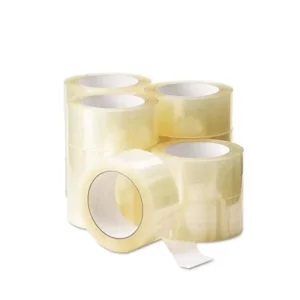
For warehouse and shipping managers choosing a carton-sealing spec, start with the box surface, packed weight, handling conditions, and whether cartons are sealed by hand or machine. Use a pressure-sensitive acrylic or hot melt tape for routine corrugated cartons, then compare gummed or filament tape when the closure needs a different method or reinforcement. Confirm carrier guidance and test the seal on the actual carton; tape thickness alone cannot prove performance.
Tape selection is a closure decision, not just a choice of roll width. ASTM's specification for pressure-sensitive box-sealing tape addresses adhesion, break strength, tear resistance and thickness as separate properties. A trial on the carton you use can reveal lifting at edges, poor contact with recycled board or difficulty applying the tape consistently.
Key takeaways
- Match the adhesive and backing to the actual corrugated carton and packing environment.
- Check the carrier's sealing guidance before adopting gummed tape for parcel shipments.
- Specify width, roll length, application equipment and case quantity together.
- Compare sealed cartons in your own workflow before standardizing a tape.
Sources: ASTM International, D5486/D5486M-06(2020) specification overview
Adhesive and reinforcement options serve different jobs
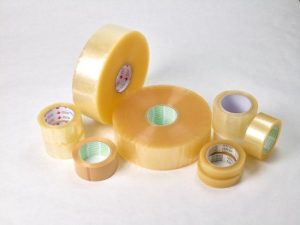
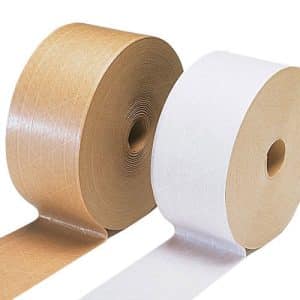
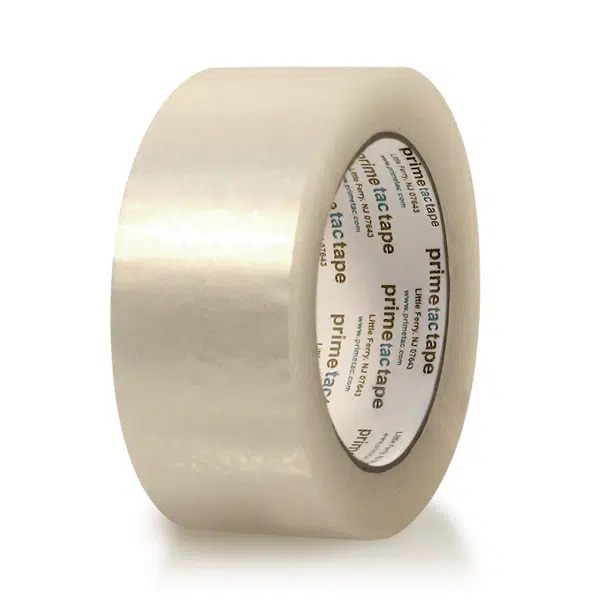
Packing tape categories describe how a closure is made, but performance still depends on the particular tape and carton. Manufacturer examples show acrylic and hot melt pressure-sensitive tapes used for box sealing, water-activated tape bonding to corrugated fiberboard, and filament tape used for bundling and reinforcement. The catalog examples below identify One Pack items; the cited manufacturer examples do not establish performance ratings for those items.
Acrylic and hot melt are starting points for a pressure-sensitive carton seal. Gummed tape needs water and a suitable dispenser, while narrow filament tape is better considered for a reinforcement task alongside an appropriate carton closure. Browse the acrylic tape category or filament tape category when narrowing a quote.
| Option | Typical use to evaluate | One Pack catalog example | Check before standardizing |
|---|---|---|---|
| Acrylic | Pressure-sensitive carton closure | 420TAPE: 2 in x 110 yd, 2.1 mil; 36 rolls per case | Adhesion to the actual board and application conditions |
| Hot melt | Pressure-sensitive closure where quick initial grab matters | 615POLYTAPE: 2 in x 110 yd, 1.8 mil; 36 rolls per case | Edge hold, unwind and dispenser fit |
| Gummed | Water-activated seal on corrugated cartons | G3450N: 3 in x 450 ft reinforced gum tape; 10 rolls per case | Carrier guidance, activation and machine fit |
| Filament | Bundling or supplemental reinforcement | 301-1/2: 1/2 in x 60 yd; 72 rolls per case | Whether the main carton seams also need sealing |
Sources: 3M, Scotch Box Sealing Tape 309 technical data; 3M, Scotch High Tack Box Sealing Tape 371+; 3M, Water Activated Paper Tape 6141; 3M, Scotch Filament Tape 897
Width, roll length and equipment affect the supply plan
Tape width determines how much material spans each side of a seam, while roll length and case quantity determine replenishment. One Pack lists both 2 in and 3 in acrylic carton-sealing tapes, including 420TAPE at 2 in x 110 yd and 420TAPE3 at 3 in x 110 yd. The catalog lists 36 rolls per case for the 2 in version and 24 for the 3 in version, so a request for the same number of cases would produce different roll counts.
Measure a typical box before estimating consumption. For a hypothetical 16 in x 12 in carton, allowing 3 in of tape beyond each end gives a 22 in center strip and two 18 in cross strips on each face. That is 116 in, or about 3.22 yd, for the top and bottom together; a 110 yd roll would cover about 34 such cartons before trimming, rework or other waste. This is a planning example, not a prescribed strip length.
Application method belongs in the specification as well. One Pack's catalog includes a 2 in x 1000 yd hot melt carton-sealing roll, SKU 155R-M-CL-2, and separate manual and electric gum tape machines. Confirm the tape's width, core and activation requirements against the equipment already in use before quoting a replacement roll.
Seal the full carton, then follow carrier guidance
A complete carton seal covers the center closure and the edge seams on both the top and bottom. FedEx's published packing guide describes three strips per face in an H pattern. UPS likewise instructs shippers to seal closures and seams, and its parcel preparation page calls for plastic or nylon tape at least 2 in wide.
Carrier guidance differs for water-activated paper tape. UPS's general packaging tips say not to use it, while FedEx's published guide allows specified water-activated paper or reinforced tape. Check the current instructions for the carrier and service you actually use before making gummed tape the standard parcel closure; a tape that works on a carton is not automatically accepted for every shipping method.
Sources: FedEx, Learn to Pack and Order Supplies; UPS, How to Pack Your Shipments; UPS, How To Pack and Ship a Package
What should you check when a seal fails?
Tape lifting or a split seam calls for a closer look at both the closure and the box. Record where the failure starts: at the center seam, an edge, a dusty area or a bulging flap. Check whether the carton was overfilled, whether the tape made full contact across the flap, and whether the applicator cut or stretched it unevenly.
Temperature claims require particular care. A 3M technical sheet gives separate application and service temperature ranges for one acrylic tape, which illustrates why a storage-temperature claim should not be treated as permission to apply every acrylic tape in the cold. Ask for the proposed tape's own data and repeat the trial under the conditions present at the sealing station.
Changing to a thicker roll without identifying the failure may leave the problem in place. Compare candidate seals on the same box style, packed contents and application setup, then document which seams stayed closed through the handling steps your operation can observe. Do not present that local trial as a universal tape rating.
Sources: 3M, Scotch Box Sealing Tape 309 technical data; ASTM International, D5486/D5486M-06(2020) specification overview
Environmental claims need product-specific evidence
Environmental claims about tape need more than a paper backing or a water-activated adhesive. The FTC's Green Guides say compostable and recyclable claims require support and, in some circumstances, qualifications about available facilities. A reinforced gummed tape should therefore not be called biodegradable, compostable or recyclable solely because its backing looks like kraft paper.
Ask for evidence about the complete tape construction and the disposal route for the sealed box. That includes any reinforcement and adhesive, as well as whether the receiving recycler accepts the combination. This is general purchasing information, not legal or compliance advice.
Sources: Federal Trade Commission, Environmental Claims: Summary of the Green Guides
Prepare a tape quote around one defined use
A useful tape quote starts with the carton dimensions, board type, packed weight, shipping method and number of cartons sealed in a typical period. Add the current tape width and roll length, the number of strips used per carton, any recurring failure, and whether workers use a handheld dispenser or a case sealer. For gummed tape, include the machine model and ask the carrier question first.
Procurement managers can then compare roll and case quantities against measured use instead of choosing by a single thickness figure. If the sealing project is part of a broader pack change, the e-commerce packaging guide covers related protection choices. Send the use details to One Pack, based in Edison, New Jersey, when you request a quote.
Frequently asked questions
Is hot melt tape always stronger than acrylic tape?
No adhesive name alone establishes a stronger finished seal. Compare the proposed tapes on the same carton and request product-specific performance data for the conditions that matter to your operation.
Does a higher mil thickness guarantee a better carton seal?
No. Thickness is one specification; adhesion, backing behavior, carton surface and application also affect the result. Check the complete tape specification and a sealed-carton trial.
Can narrow filament tape replace the main box seal?
Treat narrow filament tape as a bundling or reinforcement option unless the selected closure method and carrier guidance support its use on the full carton. Seal the center and edge seams as required for the shipment.
What quantities should a buyer provide for a quote?
Provide cartons sealed per period, measured tape use per carton, preferred roll width and length, and the equipment in use. Include the current case quantity or SKU if you are replacing an existing supply.