Choose by soil, skin and dispensing
For a shop or warehouse sink, choose a heavy-duty hand cleaner by the soil workers actually encounter, how often they wash, the dispenser or refill format, and the amount your facility uses. Start with soap and running water for greasy hands; do not treat sanitizer or a surface degreaser as a substitute. Check the product label and test the dispensing setup before standardizing a refill.
Facilities and procurement managers often inherit a soap choice after equipment or work practices change. A useful review starts at the sink: identify the material on hands, watch a normal wash, and note whether the existing soap and water remove it without repeated hard scrubbing. That observation gives a more useful buying brief than a broad claim that one formula is the strongest.
What matters at a shop sink?
A heavy-duty cleaner decision starts with the job rather than a product name. Distinguish routine dirt from oils, grease, inks, adhesives, and other residues; some contaminants require a workplace-specific cleanup procedure. Record when workers wash, whether a sink is available, and whether skin feels dry after repeated cleaning.
The wash station matters as much as the refill. CDC calls for accessible sinks, running water, soap, and a way to dry hands; those basics should be in place before changing formulas. A facilities team can then compare refill size, dispenser fit, and case quantity against actual use.
Key takeaways
- Use soap and water when hands are visibly greasy.
- Compare cleaners under the same soil and washing conditions.
- Check refill and dispenser fit before ordering cases.
- Plan for skin comfort as well as soil removal.
Compare listed cleaners by format
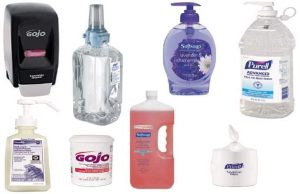
Heavy-duty is a use case, not a verified performance rating in this catalog. The items below offer different names and pack formats; their listing does not establish ingredients, abrasive content, skin compatibility, or comparative cleaning power. Ask for the current label and dispenser instructions before choosing among them.
The table is a procurement comparison, not a performance ranking. A shop sink and a shared restroom may justify different selections because their soils, wash frequency, dispenser hardware, and refill consumption differ. NIOSH found in one machine shop evaluation that excessive use of abrasive soap could irritate skin and that milder soap could often remove oil when workers had adequate cleanup time; that finding is a reason to check the need for scrubbing, not a claim about these listed items.
| Catalog item | Listed format | Selection checkpoint |
|---|---|---|
| GOJO Multi Green Hand Cleaner, SKU 35400018 | Hand-cleaner listing | Confirm refill size and dispenser fit. |
| Banner Chemical Pink Lotion Hand Soap, SKU HS207-04 | 1 gal; 4 bottles per case | Check whether the existing station accepts bottles. |
| Safeguard Antibacterial Hand Soap Refill, SKU L00003 | 1 gal; 2 bottles per case | Confirm the refill and dispenser setup. |
| Gold Foaming Antiseptic Hand Cleaner, SKU FAGC-100 | 1000 ml; 6 refills per case | Confirm dispenser compatibility. |
Grease cleanup needs a repeatable routine
Grease cleanup works best as a repeatable sink routine. CDC explains that soap and water lift dirt and chemicals during lathering and rinsing, and advises scrubbing hands for at least 20 seconds before rinsing and drying. Workers should cover the backs of hands, spaces between fingers, and areas under nails.
Do not use a shop solvent to clean skin. A NIOSH machine shop evaluation explicitly warned against that practice and advised limiting abrasive soaps because they can irritate skin. If a residue is not removed by normal handwashing, review the contaminant's workplace handling instructions and ask the safety lead for the appropriate cleanup method instead of escalating to a harsher material by guesswork.
Hand sanitizer has a different role from hand cleaner. CDC says alcohol-based sanitizer is less useful on visibly dirty or greasy hands and does not remove harmful chemicals in the way washing can. Put sanitizer where soap and water are unavailable for routine hand hygiene, but keep a wash station available for dirty work.
Sources: CDC, About Handwashing; CDC, Hand Hygiene Frequently Asked Questions; NIOSH, Health Hazard Evaluation Report 85-039-1723
Protect skin before cleanup
Skin protection begins before cleanup. NIOSH describes irritant and allergic contact dermatitis from workplace exposures and notes that repeated contact with water or detergents can also contribute to irritation. Frequent washing, persistent residue, and complaints of dry or cracked hands are reasons to review the entire work process, not simply buy a stronger cleaner.
Where work exposes hands to harmful substances or other listed hazards, OSHA's hand-protection rule requires employers to select appropriate hand protection based on the task, conditions, duration, and hazard. A cleaner does not replace suitable gloves or exposure controls. This article offers general purchasing information, not legal, medical, or compliance advice.
When comparing refills, ask the manufacturer for the label and use directions, including any skin warnings and dispenser requirements. Consider whether workers can get a full dose without excessive pumping and whether the dispenser can be serviced without mixing unrelated refills. Avoid assumptions about skin safety from words such as lotion, natural, or antiseptic in an item name.
Sources: NIOSH, Skin Exposures and Effects; eCFR, 29 CFR 1910.138 Hand protection
Plan refills and request a quote
Refill planning should use the facility's own wash pattern. Count active sinks, the number of workers using each sink, and how often a refill is actually changed; then compare that usage with the listed units per case. A case quantity answers how many units to request, but it does not predict hand washes per refill without a verified dispense volume and real use data.
For example, the catalog lists Banner Chemical Pink Lotion Hand Soap as four 1 gal bottles per case and Safeguard Antibacterial Hand Soap Refill as two 1 gal bottles per case. These are different case configurations, not proof that either product lasts longer at a sink. Record the current dispenser model, refill type, case consumption, and cleaning complaint before requesting alternatives from the hand soap and dispensers catalog.
The janitorial supplies checklist can help assemble the rest of a wash station order. For a quote, send the number of sinks, dispenser models, work soil, preferred refill format, estimated monthly quantity, and any required label information through request a quote. That gives One Pack a concrete specification to discuss.
Frequently asked questions
Is a heavy-duty hand cleaner always abrasive?
No. The catalog names do not verify scrubber ingredients, so check the current product label or manufacturer information before treating any listed refill as abrasive.
Can hand sanitizer remove mechanic's grease?
Use soap and running water for visibly greasy hands. CDC says sanitizer is less effective when hands are dirty or greasy and cannot reliably remove harmful chemicals.
Can surface degreaser be used on hands?
Do not assume a cleaner intended for surfaces is suitable for skin. Follow its label and the workplace's exposure procedure; NIOSH has warned workers against using shop solvents to clean skin.
What should be included in a quote request?
Send the soil type, sink and dispenser count, refill format, current use, and desired case quantity. Include the dispenser model so compatibility can be checked.
Sources: CDC, Hand Hygiene Frequently Asked Questions; NIOSH, Health Hazard Evaluation Report 85-039-1723